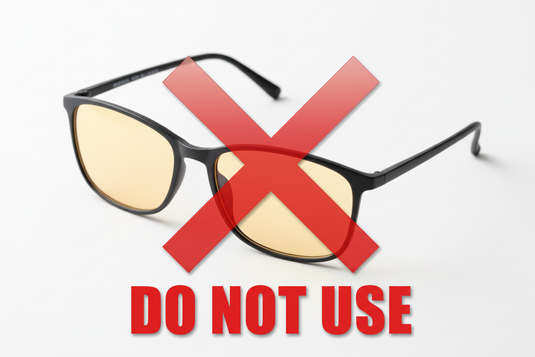
Amber Lenses vs Blue Light Glasses — What’s the Real Difference?
You’ve probably seen glasses with amber or yellow-tinted lenses and thought, “Oh, those must be blue light glasses.”
Not quite.
✨ “Amber or yellow-tinted glasses aren’t true blue-light blockers — they’re often recommended by eye doctors to help people with certain vision issues like glare sensitivity, contrast problems, or low-vision needs, while blue-light glasses are specifically made to filter screen-related blue light.” PMC+1
While they might look similar, amber lenses and true blue light glasses serve different purposes. In fact, amber lenses are often recommended for people with specific vision needs — not for blocking blue light from screens.
Let’s break down what each type really does, what the science says, and how to pick the right one for your eyes.
What Are Blue Light Glasses, Really?
Blue light glasses are designed to block a specific range of light called high-energy visible (HEV) blue light, which comes from screens, phones, tablets, and LED lights.
These lenses are usually clear or slightly tinted and are made to reduce blue light exposure — especially at night — because too much of it can confuse your body’s natural sleep rhythm.
Some studies suggest that wearing blue light glasses in the evening can help your body produce more melatonin (the sleep hormone), which can improve sleep quality.
That said, the evidence is stronger for their sleep benefits than for eye strain relief. Most eye strain actually comes from staring too long at screens and blinking less, not just from blue light.
What About Amber or Yellow Lenses?
Amber or yellow-tinted lenses block a much broader range of light — not just blue. That deep tint can reduce glare and brightness, making them helpful for specific uses, but it doesn’t make them proper blue light glasses.
When Amber Lenses Are Useful
-
At Night: They can block a lot of blue light in the evening, which may help your brain wind down before bed.
-
For Glare Sensitivity: They reduce overall brightness, which can be soothing under harsh lights.
-
For Certain Vision Conditions: Some eye doctors suggest amber lenses for people who struggle with glare, night vision, or contrast sensitivity.
However, they can distort colors and aren’t ideal for daytime screen work or tasks that require true color accuracy.
Key Differences at a Glance
| Feature | Blue Light Glasses | Amber/Yellow Lenses |
|---|---|---|
| Targeted Blue Light Blocking | ✔️ Yes | ✖️ Not specifically |
| Color Accuracy | ✔️ Clear | ✖️ Distorts colors |
| Best For | Screen time, evening use | Light sensitivity, contrast, glare |
| Helps with Sleep | ✔️ Yes | ✔️ Sometimes |
| Ideal for Daytime Wear | ✔️ Yes | ✖️ No |
What Science Says
Research shows that blue light filtering lenses can reduce some blue light exposure without changing how you see colors. They may help maintain better sleep cycles if you use screens before bed.
Amber lenses, on the other hand, block even more blue light because of their tint, but that also makes them less practical for everyday wear — especially if you care about accurate color perception.
And while some people use amber lenses for night driving or mild light sensitivity, they’re not proven to correct color blindness or improve vision clarity in the dark. In fact, dark tints can make low-light vision worse for some people.
So Which One Should You Choose?
It depends on what you need your glasses for:
-
👩💻 If you work on screens all day: Go for clear blue light glasses — they’ll protect your eyes from harsh screen light without altering colors.
-
🌙 If you use screens late at night or struggle with sleep: Try blue light glasses with a mild amber tint — they’re designed to help your body wind down naturally.
-
🚗 If you struggle with glare or bright lights: Amber lenses may help with contrast and comfort, but they aren’t meant for screen protection.
The Bottom Line
Those amber or yellow-looking lenses you see online aren’t necessarily blue light glasses. They can help with glare and certain visual sensitivities but were never designed for everyday digital eye protection.
True blue light glasses use special coatings or materials that filter out harmful blue wavelengths without changing how you see the world.
So if you want to protect your eyes from screen time, choose glasses made for that purpose — and if you just need more comfort in bright conditions, amber lenses might be a nice extra tool in your collection.